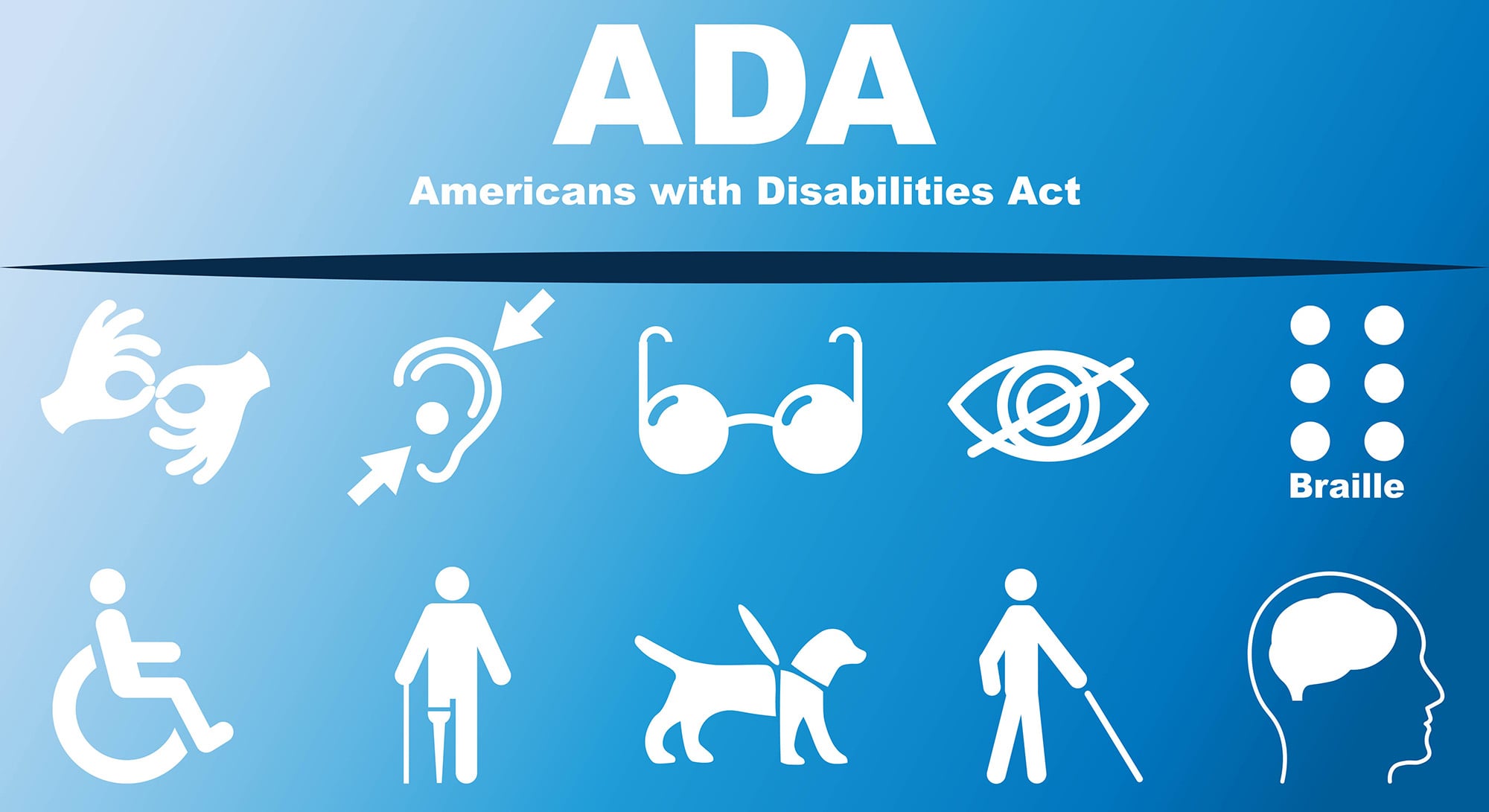
The Americans with Disabilities Act (ADA) was introduced in 1990, long before investor portals, digital factsheets, and online reporting became standard in asset management.
It makes sense that, today, accessibility expectations extend to digital services. For investment managers operating in, or marketing to, the United States, the ADA reflects a broader shift in how organisations are expected to deliver financial information online.
Accessibility is no longer just a design consideration. It is becoming part of how firms deliver clear, usable investor communications.
Digital is the front door
For many investment managers, digital platforms are now the primary interface between a firm and its investors.
Websites, investor portals, performance dashboards, and downloadable reports often shape the investor experience long before a conversation with a relationship manager.
Although the ADA predates the internet, US courts and regulators interpret it to apply to digital services offered by businesses that serve the public. In practice, accessibility standards such as the Web Content Accessibility Guidelines (WCAG) are widely used to assess whether digital platforms meet accessibility expectations (Level Access, ADA Compliance and Digital Accessibility: Risks, Requirements and Rewards)
For financial institutions, this means accessibility guidelines increasingly form part of the digital experience investors expect.
Where accessibility gets complicated
Accessibility challenges in asset management rarely sit only on the website.
The industry relies heavily on complex data and visual information from performance charts and structured tables to regulatory disclosures and investor reporting.
When this information is not structured properly, assistive technologies may struggle to interpret it. Charts may lack text alternatives, tables can be difficult to navigate, and documents may not include the tagging needed to establish a logical reading order.
As a result, some investors may find it difficult to access key financial information or complete basic digital tasks such as reviewing statements or navigating account information (Level Access, Think Like a User: A Streamlined Approach to Digital Accessibility Compliance).

Reporting is often the biggest challenge
Even though many of the biggest challenges for asset managers appear in investor reporting, the awareness and understanding of accessibility requirements is still relatively low.
Take for example fund factsheets, shareholder reports, prospectuses, and ESG disclosures. Documents that typically contain dense financial data and visual charts.
When these documents are delivered as PDFs or dynamically generated reports, accessibility issues will surface quickly if the underlying structure was not designed with accessibility in mind.
For asset managers, accessibility therefore extends beyond the website and includes the broader investor communication ecosystem.
Accessibility and digital maturity
It’s understandable that some view ADA-related accessibility primarily as a compliance issue. But forward-thinking firms are appreciating the nudge it offers towards digital maturity and a much improved client experience.
Accessible platforms are easier to navigate, more resilient across devices. Information is presented more clearly. In practice, all users benefit from the improved usability.
The financial services sector is already paying attention. Research from Level Access indicates that more than half of financial institutions report involvement in digital accessibility-related legal action in recent years.
This highlights clearly that accessibility is becoming part of responsible digital governance.
A practical consideration for investment managers
For many investment managers, improving accessibility ultimately comes down to how digital content is structured and delivered.
Investor communications such as factsheets and client reports rely on consistent templates, structured data, and clear document architecture. Without this foundation, accessibility improvements can be difficult to implement at scale.
At Kurtosys, we encounter this requirement regularly as firms look to modernise how investor communications are created and distributed across websites, reporting portals, and client documents.
Accessibility is now a key part of the conversation. What may start off simply as a regulatory consideration, typically evolves into a discussion about the investor experience. It is the duty of the asset manager to ensure that financial information is clear and usable for all investors.
Key takeaways for investment managers
- Digital accessibility expectations under the ADA increasingly extend to online services and platforms.
- Accessibility challenges in asset management often appear in data-heavy environments such as reporting and performance visualisation.
- Investor communications including factsheets, reports, and PDFs should be structured so assistive technologies can interpret them.
- Accessible digital platforms tend to improve usability, clarity, and investor trust.
Frequently asked questions
- Does the ADA apply to investment management websites?
Although the ADA was enacted before the modern internet, US courts increasingly interpret it to apply to digital platforms operated by businesses that serve the public. This can include websites, investor portals, and other digital services offered by financial institutions. - What accessibility standard is typically referenced in relation to the ADA?
The ADA itself does not specify technical standards. However, accessibility evaluations in ADA-related cases frequently reference the Web Content Accessibility Guidelines (WCAG) as the benchmark. - Does ADA accessibility apply to client reports and client communication? Yes. Accessibility expectations increasingly extend beyond websites to include investor portals, mobile apps, and digital documents such as factsheets, shareholder reports, and prospectuses.
- What makes a fund factsheet accessible?
An accessible fund factsheet uses structured headings, readable tables, logical reading order, and text alternatives for charts or images so assistive technologies such as screen readers can interpret the content. - Is accessibility only about legal risk? No. Accessibility is increasingly viewed as part of delivering clear, usable digital experiences. Many accessibility improvements also improve usability for all investors.
Sources
- Level Access – ADA Compliance and Digital Accessibility: Risks, Requirements and Rewards: https://www.levelaccess.com/thank-you-ada-compliance-and-digital-accessibility-risks-requirements-and-rewards/
- Level Access – Think Like a User: A Streamlined Approach to Digital Accessibility Compliance
Level Access – Accessibility for Financial Services Providers https://www.levelaccess.com/blog/ada-financial-institutions/
https://www.levelaccess.com/blog/inclusive-banking-experiences/ https://www.levelaccess.com/resources/digital-accessibility-in-financial-services/