
Insights from Lee Godfrey, CEO of Kurtosys
The past year has been a wake-up call for business leaders everywhere. Technology is advancing at breakneck speed, markets are shifting, and client expectations are higher than ever. In this environment, clarity and adaptability are not optional. They are essential.
Lee Godfrey, CEO of Kurtosys, believes organisations can thrive when they combine smart technology with a clear sense of purpose. His reflections on 2025 reveal lessons that will shape the year ahead.
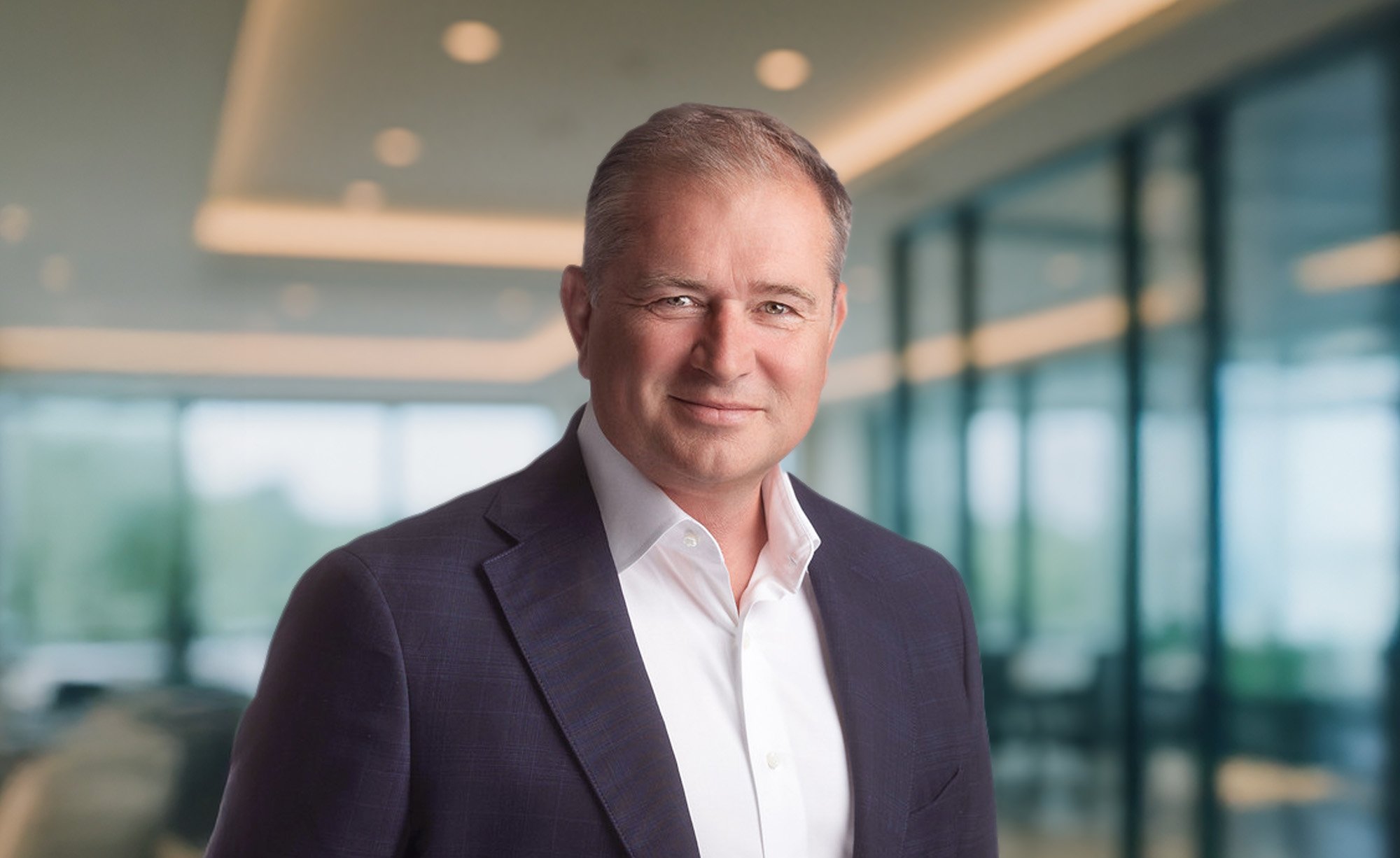
Lee Godfrey, CEO of Kurtosys
AI: Beyond the hype
Artificial intelligence is no longer just a headline. The real challenge is not switching on a tool but changing how we work. “AI is just technology,” says Lee Godfrey. “Without good data, it will not deliver the right result.”
AI can solve problems that traditional automation struggles with, such as reducing false exceptions in reconciliation. But adoption is more than using a tool. It means rethinking processes and behaviours. “Only a handful of banks are using agentic AI to change their operating models,” Lee notes. “That is real adoption.”

Kurtosys explored this through a pilot hackathon. Teams were given ninety minutes to identify a problem, design a solution and build a prototype. One group produced a working model within minutes. Another created multiple prototypes using AI tools. The exercise proved that AI accelerates ideation and collaboration, allowing teams to test ideas quickly without long processes.
A company-wide hackathon followed, with over fifty submissions received. Winning ideas included pulling live, compliant data into PowerPoint and creating drag-and-drop tools for non-technical users. Clients valued the creativity and speed.
For Lee, the biggest barrier is not technology but behaviour. “You should never trust AI blindly,” he warns. “You need to question outputs, understand the data, and look for bias. Judgement and behaviour turn AI into a useful habit.”
The productivity puzzle
US productivity has surged since the pandemic. In the UK and parts of Europe, it has slipped backwards. “In the US, productivity is higher than before COVID. In the UK and France it has gone backwards. That is a serious signal,” Lee says. “The truth is that no one knows exactly why. Even the economists are saying it does not follow the usual patterns.”
Hybrid work, labour markets and cultural factors all play a role. But one factor stands out for Lee and that’s “purpose”.
“Whatever the macro reasons, they are outside a company’s control. What you can influence is whether people understand why they are here, what they are trying to achieve and who they are doing it for. A shared purpose drives people forward in any country.”

China: The wild card
No global outlook is complete without China. Lee draws on a recent discussion with Alex Dryden, macroeconomist and founder of Financial Fables. “China faces high levels of debt and a changing population profile,” Lee notes. “At the same time, you see the market rally strongly at different points. It can feel contradictory.”
China’s investment in AI also stands out. “They are moving quickly. That raises real questions for Western economies about competitiveness, standards and the long-term picture.”
China is also becoming more visible in global climate discussions, which highlights its importance in shaping future policy. “It remains a powerful player, but a difficult one to read. That is why it feels like the wild card.”

Leadership in an era of speed
What connects acceleration, productivity gaps and geopolitical uncertainty? For Lee, the answer is clear. “Speed. Everything is happening faster, from markets to technology. Leadership needs to move faster too, not only in decisions but in learning.”
He adds that most people in an organisation are not thinking about global risk every day. “They are thinking about their clients, their team and their work. Good leadership links those daily actions to a clear purpose. You need to help people stay focused on what matters.”
His advice for leaders is straightforward. “You cannot control macroeconomics. You can control readiness. Build systems that help you adapt. Build teams that learn fast. Make space for experimentation. Most of all, keep perspective. Volatility often sits next to progress. The organisations with a shared purpose are the ones that come through strongest.”
Final thoughts: The next generation investor
Younger investors often have different expectations. “They may be less focused on long-term wealth protection and more focused on income and flexibility. If the industry does not respond, they will look elsewhere.”
Technology plays a key role. “You can create personalised profiles, subscription centres and communication journeys that help every investor feel understood. It’s not about heavy customisation. It is about personalisation that adds value.”

For Lee, the opportunity is significant. “The firms that will succeed are the ones that understand the needs of the next generation and use technology to support them in a responsible and transparent way. That is where we see real potential to help our clients, and that is where we are focused.”