Solutions
Solutions
View All
Investment Report Automation
Automate all of your investment reports from a single system
Investor Portals
Digitize your investor communications and deepen client relationships
Investment Websites
Build beautiful investor websites and digital experiences
ESG Communications
Showcase your sustainability credentials
Platform
DXM
Digital Experience Management for investment managers
Documents
Cloud-based report automation engine
Studio
Library of customizable investment data experiences
Data
Centralized hub for all your investment data
DXM Communities
Powerful toolset for creating gated investor portals
Support
Support terms of use
Support promise
EULA terms of use
Information security
ISOC
Help center
Insights
Blog
Events
White Papers & eBooks
Webinars
Our clients
BMO Global Asset Management
Redwheel
abrdn
SALI Fund Services
Tavistock Wealth
Boston Partners
OP Financial Group
About us
About
Careers
Become a partner
Contact Us
Login
USA
UK
EU
Get a Demo
Login
USA
UK
EU
Solutions
Solutions
View All
Investment Report Automation
Automate all of your investment reports from a single system
Investor Portals
Digitize your investor communications and deepen client relationships
Investment Websites
Build beautiful investor websites and digital experiences
ESG Communications
Showcase your sustainability credentials
Platform
DXM
Digital Experience Management for investment managers
Documents
Cloud-based report automation engine
Studio
Library of customizable investment data experiences
Data
Centralized hub for all your investment data
DXM Communities
Powerful toolset for creating gated investor portals
Support
Support terms of use
Support promise
EULA terms of use
Information security
ISOC
Help center
Insights
Blog
Podcasts
Events
White Papers & eBooks
Webinars
Our clients
BMO Global Asset Management
Redwheel
abdrn
SALI Fund Services
Tavistock Wealth
Boston Partners
OP Financial Group
About us
About
Careers
Contact Us
The Kurtosys blog
Browse our white papers, webinars, videos, podcasts and more.
Accessibility
Client Reporting
Compliance & Regulation
Customer Experience
Data Visualization
ESG
Investor Portal
Kurtosys news
Reporting
Security & risk
Uncategorized
Websites
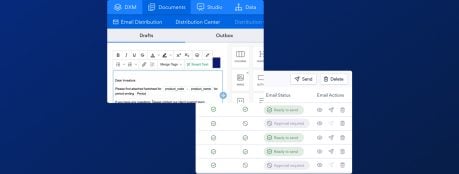
Revolutionising email distribution: A game-changer for investor reporting
April 22, 2024
Michelle Wright joins Kurtosys as Chief Product Officer
April 3, 2024
Navigating the currents: A dive into the investment management landscape of 2024
March 15, 2024
A look at the future of client reporting through the lens of Kurtosys and Northern Trust
February 19, 2024
Sales meets compliance: Introducing the seamless solution from Kurtosys
February 15, 2024
Warning: Not about AI…
January 8, 2024
Navigating investment reporting challenges together: A reflective dialogue with Lee Godfrey
December 18, 2023
Building and maintaining strong relationships is crucial for sustained success
December 15, 2023
Fostering brand loyalty: How AI enhances everyday activities and tasks to improve client retention
October 20, 2023
The client-centric approach – Highlights from TSAM NY Kurtosys interview
October 20, 2023
Fostering brand loyalty – why it matters
October 17, 2023
Streamlining success: Automating report generation and distribution for investment managers
October 10, 2023
Mark Warren joins Kurtosys as Chief of Staff
October 3, 2023
Justin Larsen joins Kurtosys as Chief Financial Officer/ Chief Operations Officer
October 2, 2023
Kurtosys’ mid-year update: standardization, industry trends and client experience
August 10, 2023
4 straightforward steps to effective client report customization
July 25, 2023
How can sales teams leverage digital resources to position themselves for success?
July 17, 2023
Evolving the Kurtosys product vision
July 5, 2023
Bank collapses are impacting how we all think about “saving”
June 20, 2023
The value of connection
June 12, 2023
The future of client reporting: embracing technology for efficiency and compliance
June 1, 2023
Exploring client experience and integrated platforms: Highlights from the Kurtosys team interview with TSAM
May 25, 2023
Metrics matter – Transforming marketing and distribution through accurate data and analytics
May 17, 2023
The role of user experience in investment management websites
May 3, 2023
Eight short steps for investment management marketers planning their Consumer Duty program
March 29, 2023
Achieving compliance and accuracy: best practices for investment content management
March 15, 2023
Making your fund performance line charts accessible to everyone: our journey and lessons learnt
March 3, 2023
Rethinking supplier risk audits: how to choose the right application vendors
February 14, 2023
Outlook & Trends for Investment Management in 2023
January 30, 2023
Investor Portals 101 – an overview
January 11, 2023
1
2
3
4
5
6
7
8
9
10
11
12
13
14
15
16
Next